Why we write in public
Four friends, eleven years of long emails, and a garden instead of a stream.


We have been planting posts here quietly since the spring, to see if we could keep it up. We could, so it is time to say why. Four of us are writing it: Ruth, who works with words; Tomás, who cooks; Inès, who is learning everything she can; and Kai, who walks. We have been friends for years, and we have been writing to each other in long emails for most of them. This year we decided to do it in public.
Why in public
Because writing to someone makes you write better. A diary is honest, but it forgives you too easily. An audience, even a small one, asks you to finish your sentences and check your facts. ((We have learned that an audience of four friends is already strict enough. An audience of four hundred is terrifying.))
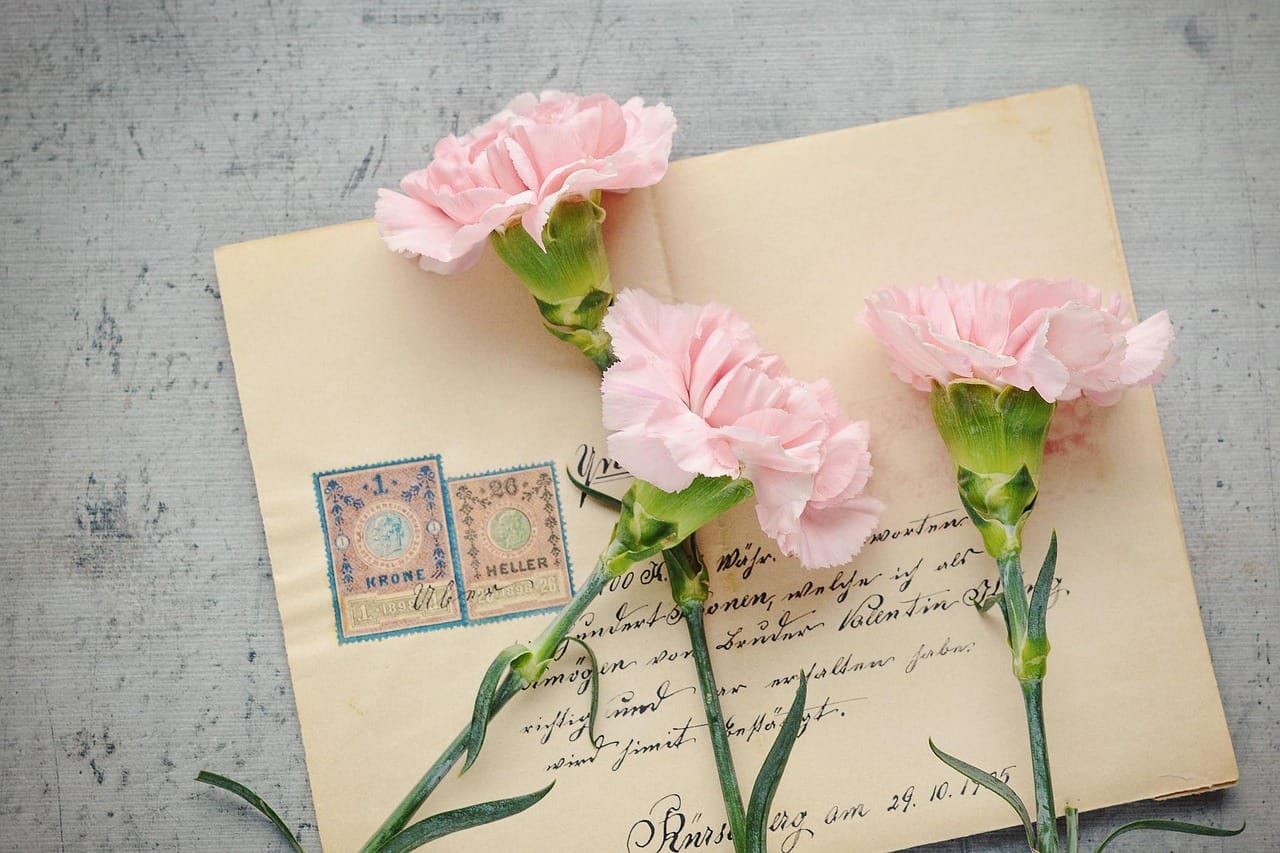
And because the best things we have read online were never polished articles. They were people thinking out loud: notebooks, letters, half-finished ideas, shared generously.
A garden, not a stream
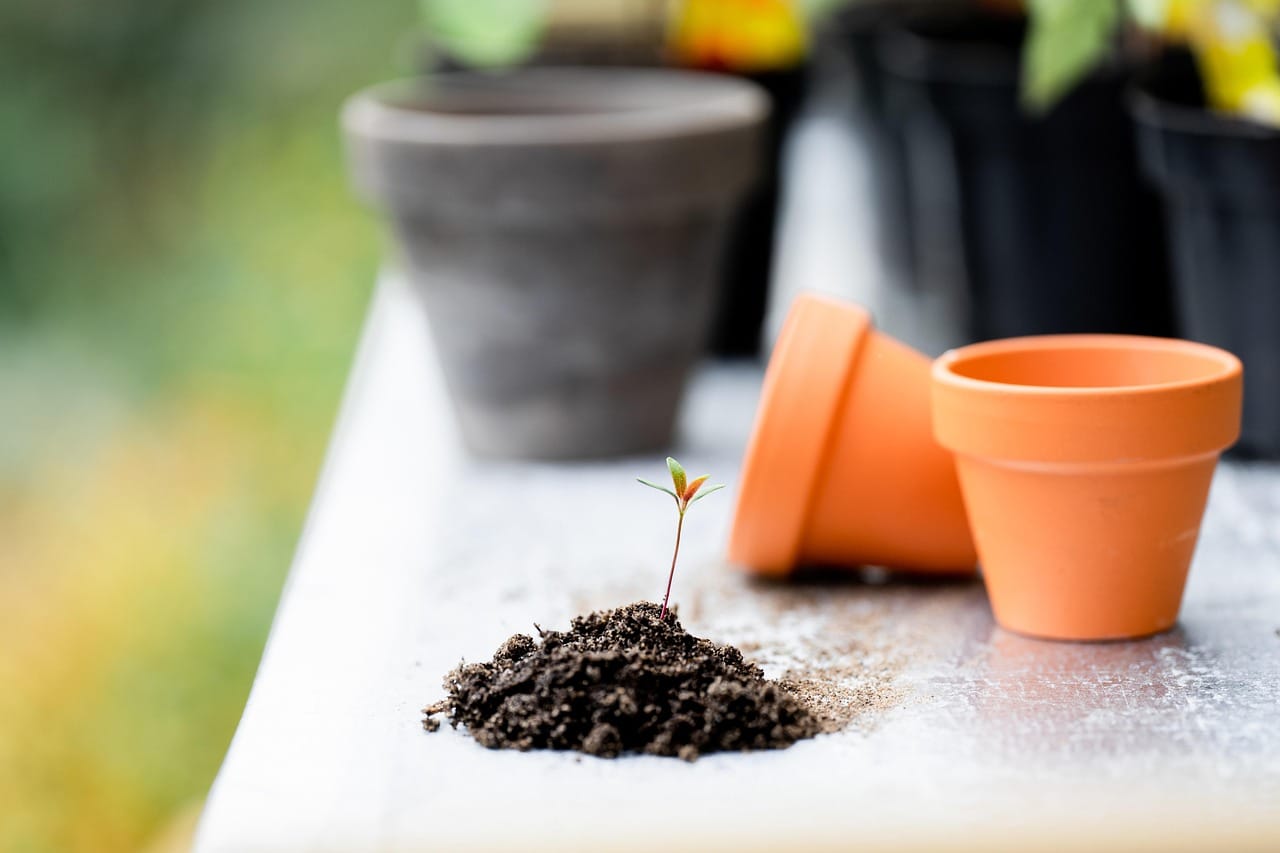
We think of this site as a garden rather than a stream. A stream is a feed: new things arrive, old things disappear. A garden grows. We will come back to old posts, tend them, correct them, and add to them.
That is why every post has a growth stage:
- Seedling: a first rough idea, written down so it is not lost.
- Budding: taking shape; revised, but still growing.
- Evergreen: finished, and still true. Tended now and then.
And that is why posts show when they were planted and when they were last tended.
Notes and essays
There are two kinds of writing here. Essays are longer, thought through, and tended over time. Notes are short: a thing we noticed, a line we read, a question we cannot answer yet. Notes are how we stay in the habit; essays are what the habit produces.
Write the note today. The essay will come when it is ready.
What we will write about
Slow work and attention. Walking, maps and weather. Cooking, fermenting and bread. Learning languages, reading, and changing our minds. Probably other things we have not thought of yet.
An invitation
If something here makes you think, write to us. The best part of the old emails was always the replies. We hope this will be the same.
How we work together
We have one shared document with a list of ideas, and one rule: anyone can start anything, and nobody publishes without one of the others reading it first. The reading is not an edit; it is a question. "What did you mean here?" "Is this true?" "Can you say it in half the words?" Most of our posts are better because a friend asked one question at the right moment.
We publish when things are ready, not on a schedule. Some weeks there are three notes and an essay. Some months there is nothing. ((We tried a schedule once, in the first month. It lasted nine days.))
What we hope for
We hope this almanac becomes useful to people we will never meet: someone who wants to start walking every day, bake bread, learn a language late, or keep a notebook. We hope it becomes a record of four friends thinking together over many years. And we hope it stays small enough that we can answer every letter.
Why an almanac
Old almanacs were practical books: the phases of the moon, the times of sunrise, when to plant and when to harvest, a few proverbs and a lot of weather. Farmers kept them by the door and wrote in the margins. We liked the idea of a book that is useful, seasonal, a little bit personal, and written in by the people who use it. That is what we want this to be: less a magazine than a shared notebook that follows the year around.