Notes on attention
Observations, not conclusions. Attention as a budget, the phone in another room, and questions I am still asking.

These are notes, not an essay. I have been thinking about attention for most of this year, and I do not have conclusions yet, only observations. I am putting them here so I can tend them over time. That is what a seedling is for.
Attention is a budget
Every day I have a limited amount of it. ((Scientists argue about whether attention runs out like fuel or just drifts. From the inside, it feels like fuel.)) I spend it on the first things I look at, and by afternoon there is less left. The question is not "how do I get more?" but "what do I spend it on first?"
The phone in another room
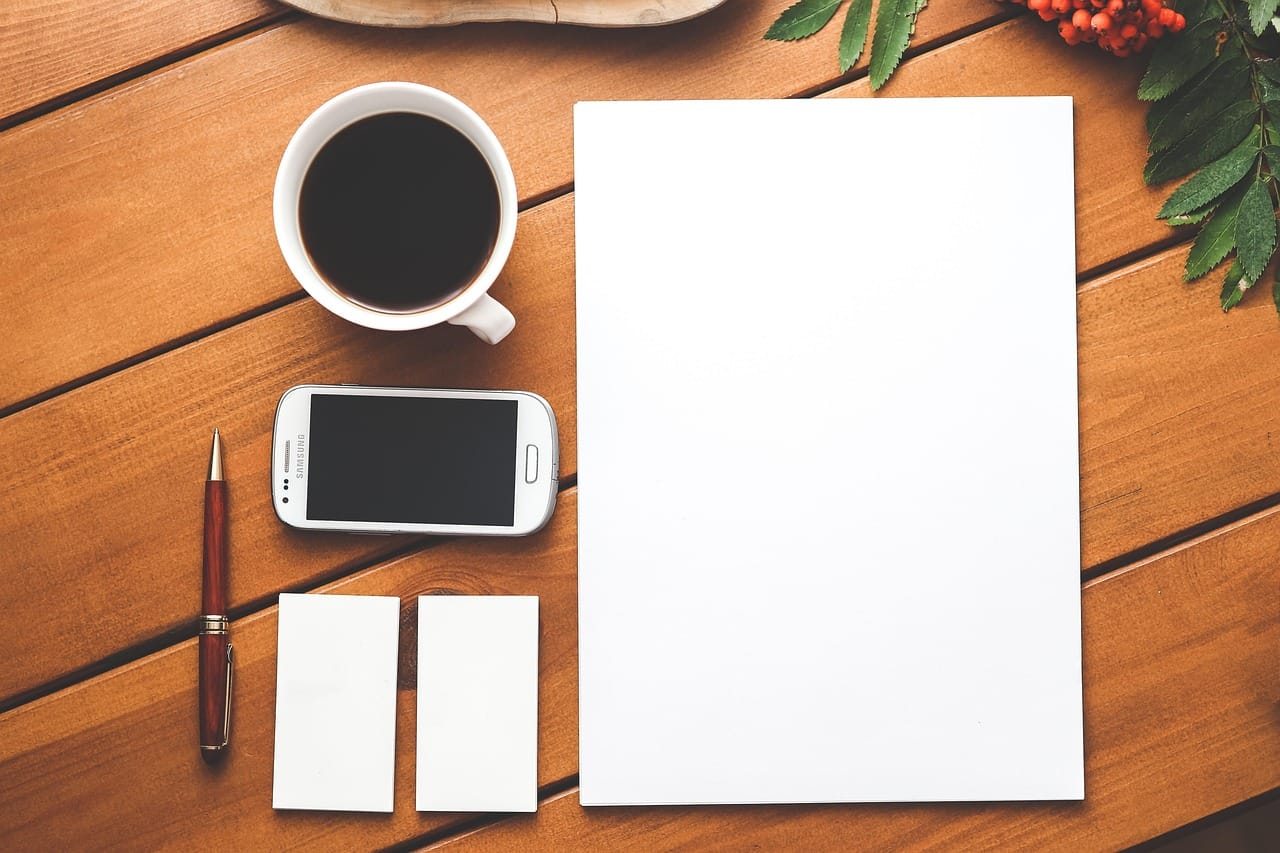
The single most effective thing I tried was the simplest: the phone lives in the hall while I work. Not silenced, not face down on the desk. In another room.
The first day, I reached for it forty times. By the second week, a few times a day. It turns out I was not using it; I was checking it, the way you check your pocket for keys you know are there.
Boredom
We have almost removed boredom from adult life. Every queue, every bus, every pause has a screen in it. But boredom is where attention rests and where ideas come from. ((Almost every good idea I have had this year arrived while waiting for a kettle.)) I now leave small gaps in the day empty on purpose: the walk to the station, the minutes before a meeting, the kettle.
Looking at one thing
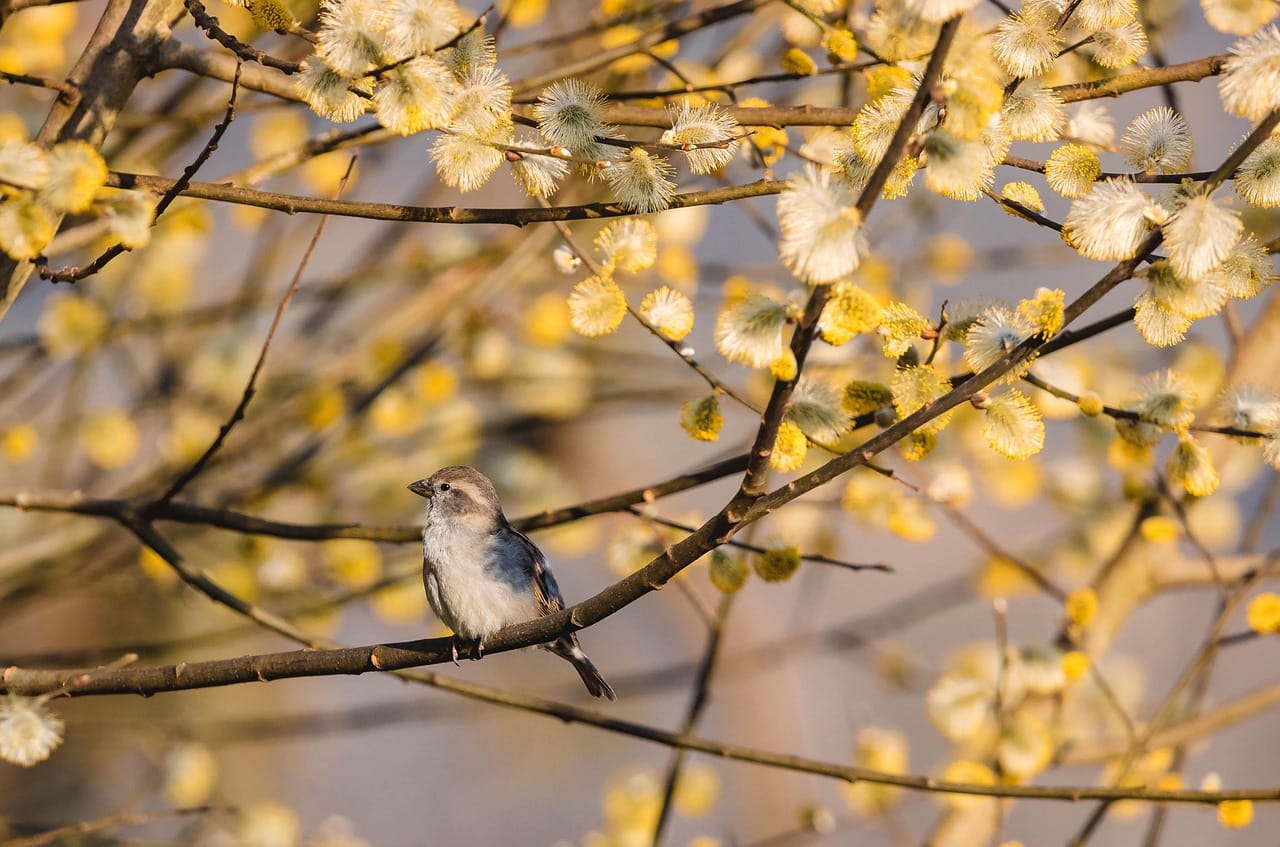
An exercise from Kai: look at one thing for ten minutes. A tree, a bird, a cup. Do not photograph it, do not describe it in your head, just look. It is very hard and very calming, and afterwards the world is slightly louder and brighter, like after a swim.
Attention is the most basic form of love.
a line I copied into my commonplace book, source unknown, which I keep meaning to find
Questions I am still asking
- Is multitasking always bad, or only multitasking between two things that both need words?
- Why is it easier to pay attention outdoors?
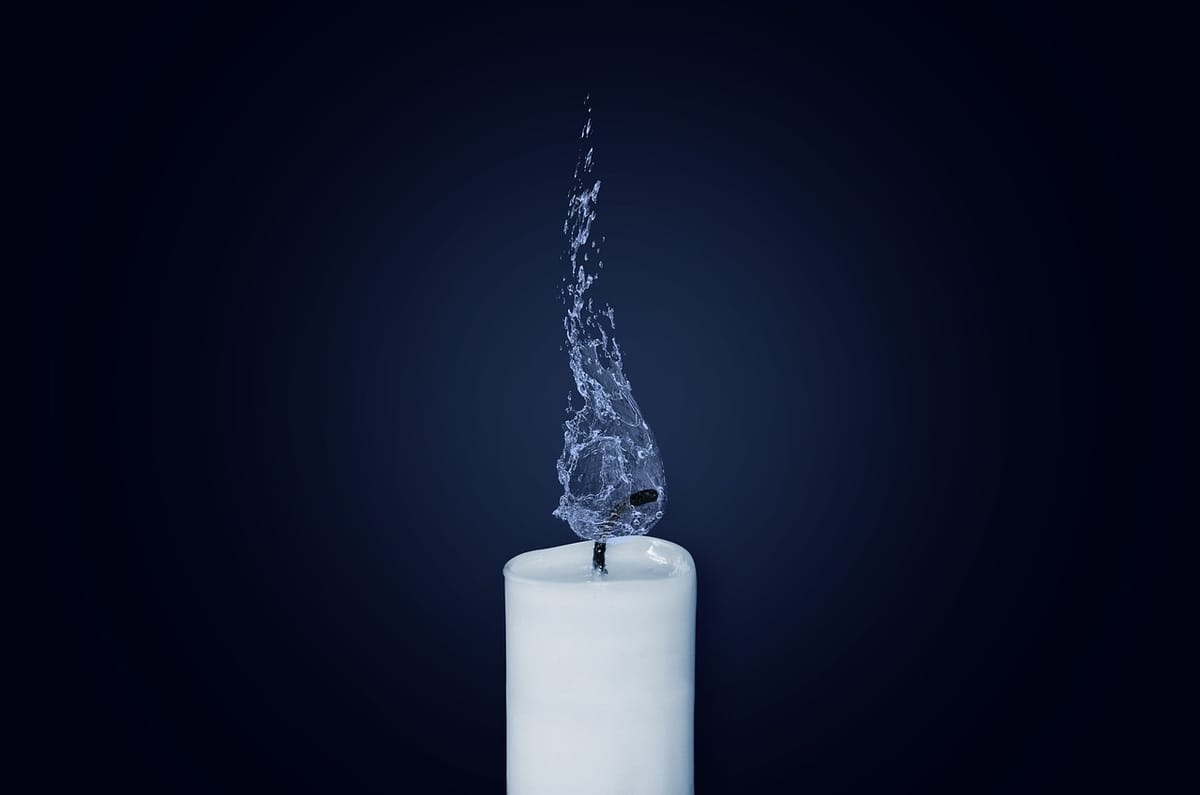
- Can you train attention like a muscle, or only protect it like a flame?
- Why do I find it easier to pay attention to other people's problems than my own?
For now
I pay attention better than I did in January. Not because I found a method, but because I stopped giving my attention away before I had decided where it should go. That feels like the beginning of something rather than the end.
Small experiments
Things I have tried this year, with notes:
- No news before noon. Worked. The news was the same at noon.
- One tab open at a time. Failed within a day. Two tabs is my honest limit.
- Reading on paper for anything longer than a page. Worked, especially for anything I needed to understand rather than skim.
- A walk after lunch, without headphones. Worked beautifully, most days. Kai's influence.
- Writing by hand for the first hour. Mixed. Better thinking, worse spelling.
What other people said
When I shared an early version of these notes with friends, the replies were better than the notes. Tomás said attention in the kitchen is easy because food punishes you immediately for looking away. Inès said learning a language forces attention, because you cannot half-listen to words you do not know. Kai said nothing and sent a photograph of a heron. ((I think that was his point.))
A reading list, so far
Things that helped, in no order: a small book about a monk who spent forty years looking at one mountain; an essay about birdwatching as a form of prayer; a long article about pilots and the checklists that keep them attentive; and my grandmother's habit of never answering the telephone during meals. None of them agree with each other, which is probably right. Attention may be one of those subjects that looks different from every window.