The case for doing one thing a day
Not one task, one thing, done first. Two years of an idea that sounded too simple to work.


For most of my working life I kept a to-do list as long as a receipt. Every morning I copied the unfinished items to a new page, added three more, and felt behind before breakfast. Two years ago I tried something that sounded too simple to work: one thing a day. Not one task, one thing. This is what happened.
The rule
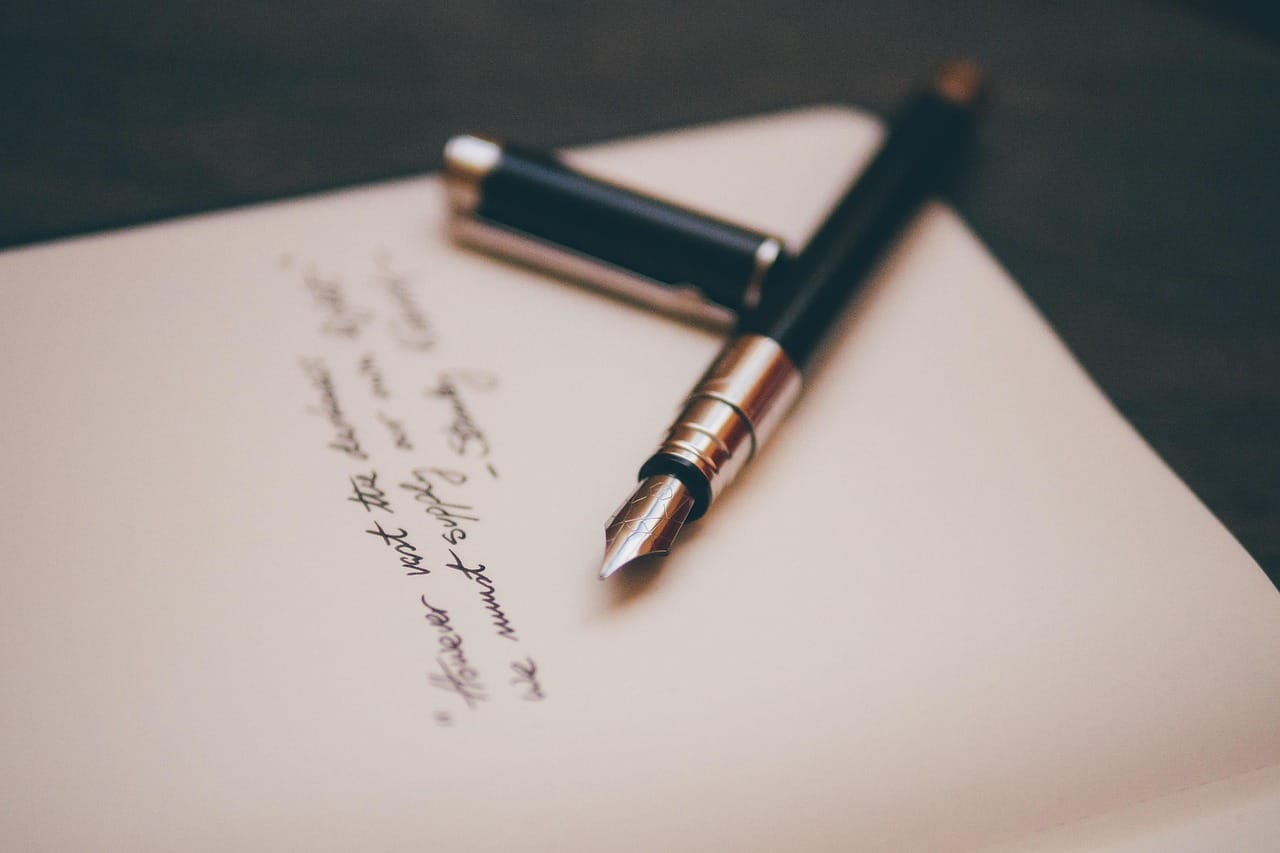
Each evening I write down the one thing that would make tomorrow a good day if it were the only thing I did. Not the most urgent thing, the most important one. ((Urgent and important are different words for a reason. Most urgent things are other people's important things.)) In the morning I do it first, before email, before messages, before the list.
Everything else still happens. Bills get paid and messages get answered. They just happen after the one thing, in whatever time is left, and I no longer pretend they are the point of the day.
What changed
The first thing I noticed was relief. A long list is a list of ways to fail; a single line is a promise you can keep. By ten o'clock on most days, the day was already a good one, and the rest of it felt like a bonus.
The second thing was slower. After about three months, the one things started to add up. Forty mornings of writing became a long essay. Twenty mornings of calls became a new client. Sixty mornings of fifteen minutes of Spanish became, well, some Spanish. ((Inès would say "some" is being generous. She is right.))
Small things, done first and done often, are the only big things I have ever finished.
How to choose
The hardest part is the evening decision. My test is simple: if I could only do one thing tomorrow, which one would I be glad about in a year? It is almost never the thing that feels loudest.
- If two things seem equal, choose the one you are avoiding.
- If the thing is huge, choose the first hour of it.
- If you cannot decide in five minutes, choose rest. That is also a thing.
When it fails
Some days the one thing does not happen. A child is ill, a pipe bursts, a friend needs you. The rule is not a contract; it is a direction. I write the same thing down again that evening and try again in the morning.
What I do not do is make up for it by doing two things the next day. That is how the long list sneaks back in.
Two years later
I still keep a list. It lives at the back of the notebook, and I look at it in the afternoon. My days are not more productive in the way productivity articles mean it. They are more mine. I finish things now, which I did not before, and I have stopped measuring a day by how tired I am at the end of it.
What counts as a thing
People ask what size the one thing should be. My answer has changed over time. At first I chose big things: finish the report, write the chapter. They were too big, and I failed at them often enough to lose faith in the rule. Now I choose things that fit in a morning and move something important forward: draft the first section, call the person I have been avoiding, clear the desk so tomorrow's work can start.
A good one thing has a clear finish line. "Work on the book" is not a thing; "write the scene at the station" is. When I can picture the moment I put the pen down, I know I have chosen well.
The evening ritual
The choice happens at the kitchen table after dinner, with the card and a pencil. Five minutes, no more. I look at the week, I look at the long list at the back of the notebook, and I write one line on the card. Then I put the card on the desk, face up, where it will be the first thing I see in the morning. ((The card trick is borrowed from my father, who left himself notes on the kettle. He was the calmest person I have known.))