Reading aloud at the kitchen table
Twenty minutes after dinner, every evening, for nine years. The habit that started as a bedtime story.

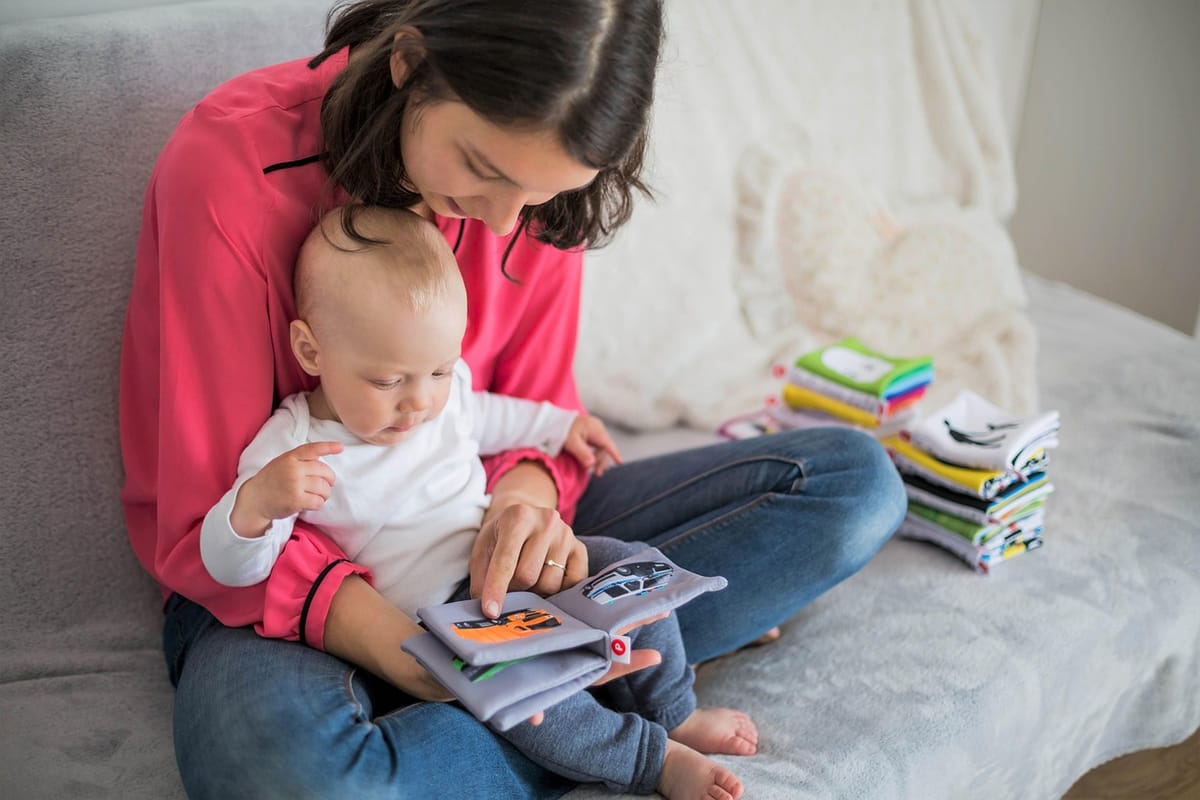
Every evening after dinner, someone in our family reads aloud at the kitchen table for twenty minutes. It started when the children were small, as a bedtime story that moved downstairs. They are twelve and fifteen now. We are still doing it, and it is my favourite part of the day.
How it started
We had a rule about no screens at dinner, and the children hated the empty time after the plates were cleared. One evening I picked up a book from the shelf, a collection of old folk tales, and read one out loud while they finished their pudding. Nobody left the table. The next evening they asked for another. ((The book was in Spanish and I translated as I went, badly. Somehow that made it better. They still remember the story of the donkey who became mayor.))

The rules
We have very few rules, and we have never written them down:
- One chapter, or twenty minutes, whichever comes first.
- Whoever chose the book reads it, and choosing goes round the table.
- Anyone can stop the reader to ask a question, but not to look at a phone.
- If everybody hates a book after three evenings, we stop it. No guilt.
What we have read
Everything. Adventure novels, poems, a history of spices, a cookbook read like a story, a whole year of a newspaper column by a man who kept bees. The children chose comics, which were hard to read aloud and very funny to try. My wife chose a long Russian novel, which took four months, and which all four of us now quote at each other.
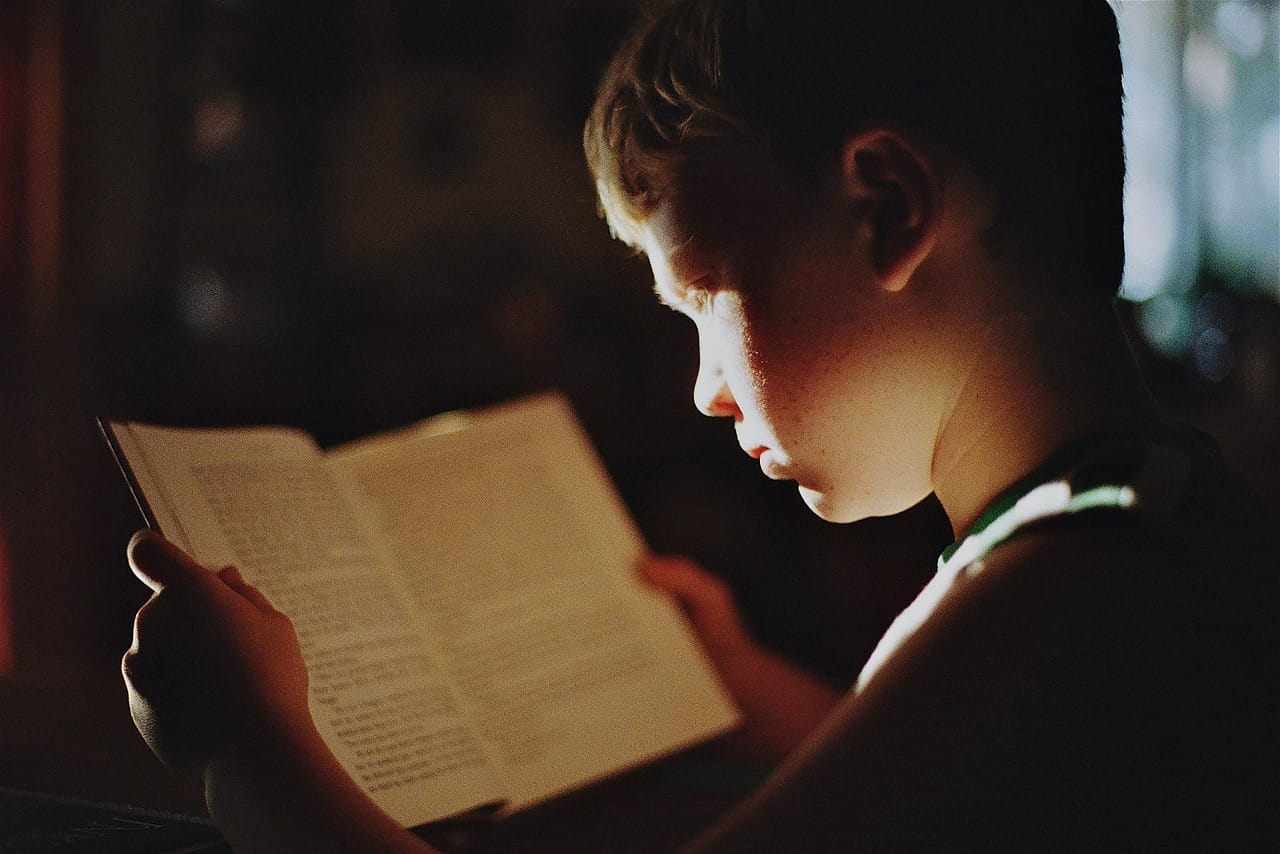
A story read aloud is a meal for the ears. Everybody gets the same portion, at the same time.
What it gives us
Reading aloud slows a book down. You cannot skim when you are reading to someone. You hear the sentences, the jokes land, the sad parts land harder. The children noticed this before I did: books they had read alone and found boring came alive at the table.
It also gives us something to talk about that is not school, work or the news. When a character makes a bad choice, we argue about it for days. When someone dies in a book, we are sad together. The book becomes a small shared world that only the four of us live in.
As they grow up
I know this will end. The children will leave, and the table will be quieter. But I hope they will take the habit with them, and read aloud at their own tables one day. And when they come home for Sunday soup, I hope someone will still pick up a book after the plates are cleared.