Keeping a nature calendar
One page for each week, and the first time I see something. Three years of saying hello to the year.


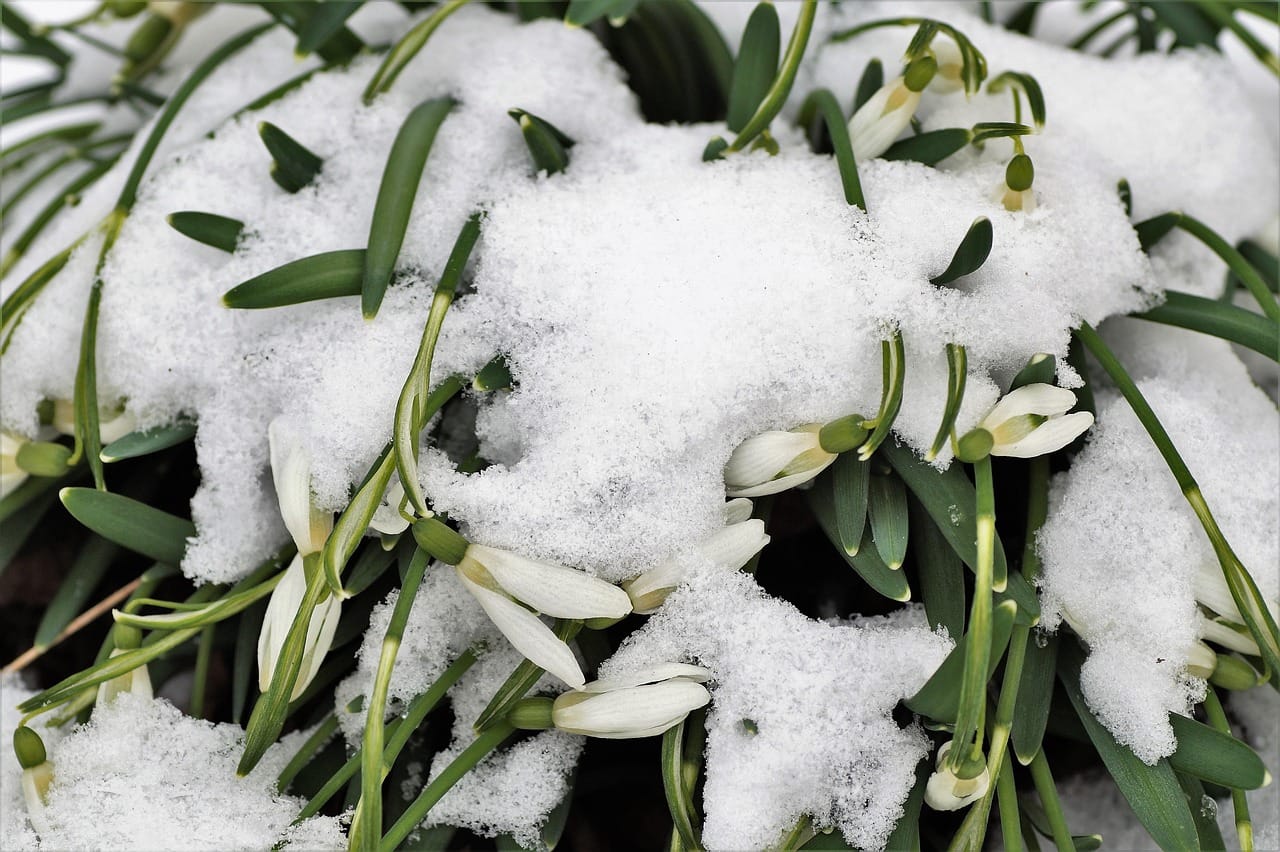
For three years I have kept a nature calendar: a notebook with one page for each week of the year, where I write down the first time I see something. The first snowdrop. The first swift. The first frost on the gate. It sounds like a hobby for a retired vicar, and it is, and I recommend it to everyone.
How it works
The rule is simple. Each week has a page. When I notice a first, I write it on that week's page with the date and the place. "First celandine, by the second stile, 4 March." That is all. No photographs, no drawings unless I feel like it, and no pressure to fill the page. ((Some weeks have nothing. Late January is a long, empty corridor of pages, and that is honest.))
The magic starts in the second year, when the same week's page already has last year's notes on it. Now every first is a comparison: earlier, later, the same.
What goes in
- Flowers: the first of each kind, not every one. Snowdrop, celandine, bluebell, hawthorn, elder.
- Birds: arrivals and departures. The swifts come in early May and leave in early August, and I never see them go.
- Weather: first frost, first warm evening, first day you can sit outside with tea.
- Small things: the first ladybird, the first conker, the first time I hear the woodpecker drumming.
Three years of firsts
Reading the pages back is like looking at a landscape from a hill. Some things are steady: the snowdrops come within a few days of the same date every year. Others swing wildly: the first frost came in the first week of October one year and the last week of November the next.
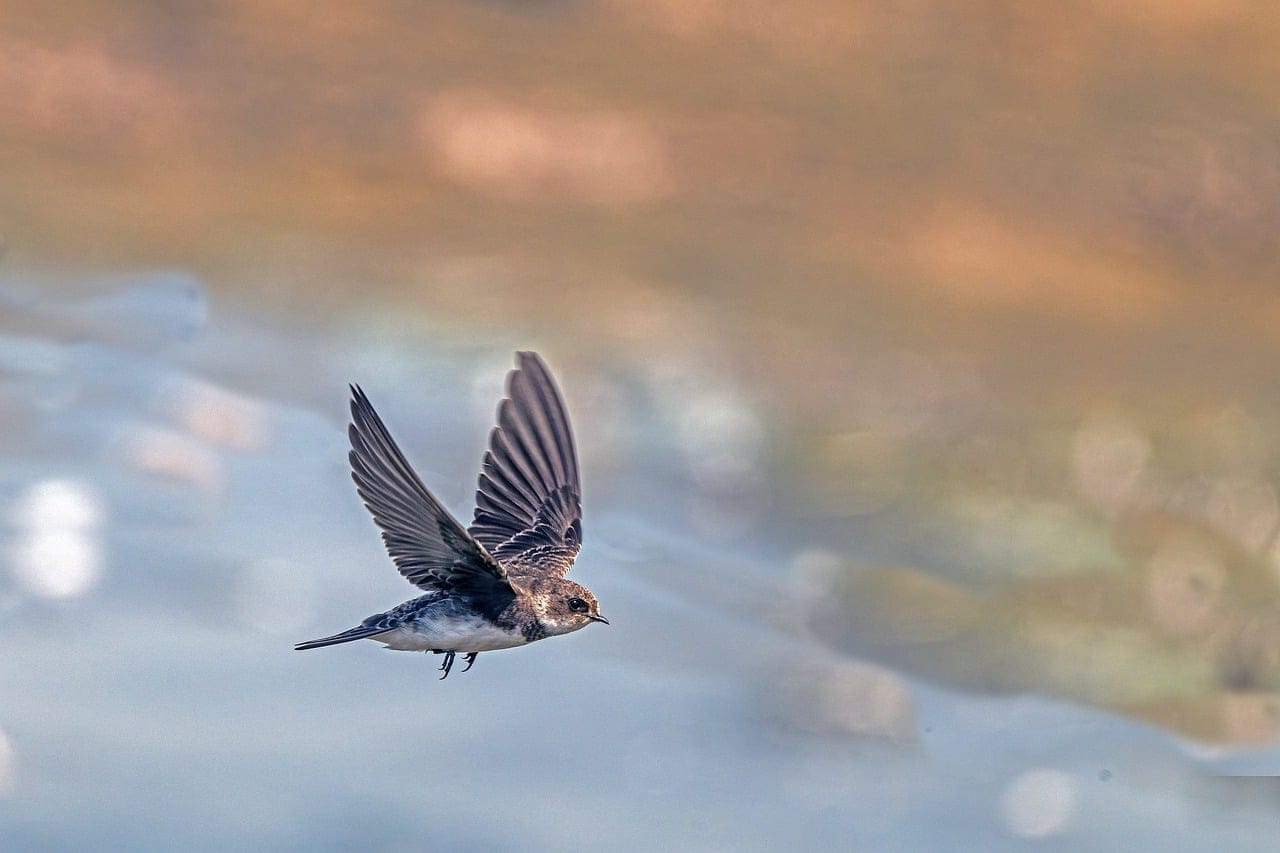
A calendar of firsts is a way of saying hello to the year, one thing at a time.
Why bother
I could look all of this up. There are websites that map the first swallow across the whole country. But a website does not make you look. The notebook does. Knowing that I might see the first bluebell this week makes me walk slower and look harder, and that is the real gift.
It also changed how I feel about the dark months. When there is nothing new, I read the pages ahead, and I know exactly what is coming and roughly when. Late February holds the first lambs and the first blackthorn. That is a kind of promise you can hold in your hand.
A few rules I keep
Write it the same day, or it does not count. Write where, not only when. Never go looking for a first on purpose; it has to find you. And never cross anything out: if I later learn that the "first" bluebell was actually a hyacinth from someone's garden, I add a note next to it, and the mistake stays as part of the record.
Sharing the pages
Last spring a neighbour started her own calendar after seeing mine on the bench. We now compare firsts by text message, and we argue about whether a single daffodil in a front garden counts. (It does not. We agreed on wild plants only, after a long and serious discussion.)