Learning to sketch birds, badly
A pencil, a pocket notebook and a lot of potatoes with tails. Sketching birds taught me to see them.

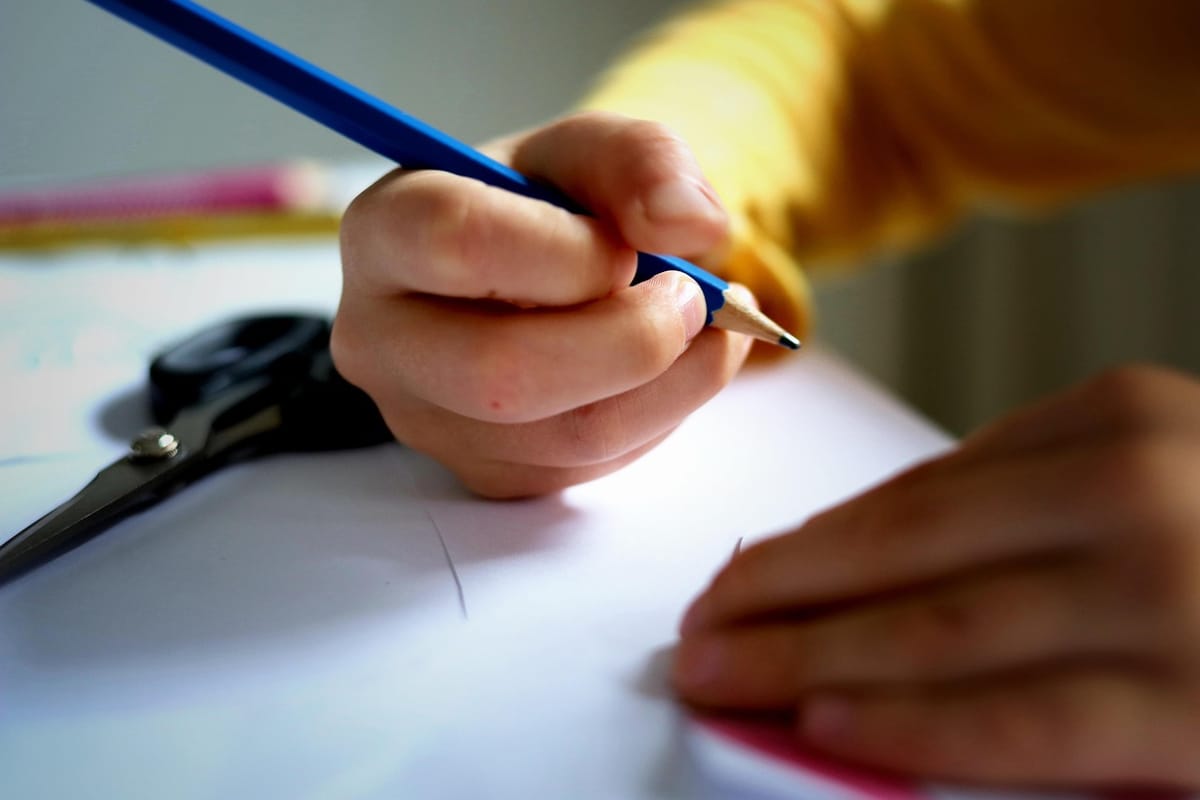
I cannot draw, and for most of my life I could not tell a chaffinch from a sparrow. This spring I decided to fix both at once by learning to sketch birds. Not paint them, not draw them well: sketch them, fast and badly, in a small notebook, from life. It has become the most absorbing thing I do.
Why sketch instead of photograph
A photograph takes a second, and then you stop looking. A sketch takes a minute, and you cannot stop looking, because the bird keeps moving and you keep checking. ((Kai warned me about this. He said: "You will see more birds in a month of bad drawings than in a year of good photographs." He was right, as he usually is about birds.))
To sketch a bird, you have to notice its shape, the angle of its tail, how it holds its head and where its legs come out. That is exactly what you need to know to recognise it next time.
The method
- Start with an egg. Most small birds are an egg for the body and a smaller egg for the head. Draw those first.
- Add the tail and the beak. Their angles tell you more than any colour.
- Draw fast. The bird will leave. Draw five quick sketches rather than one slow one.
- Write notes, not colours. "Brown back, pale front, white bars on wing" is faster than any pencil.
The first month
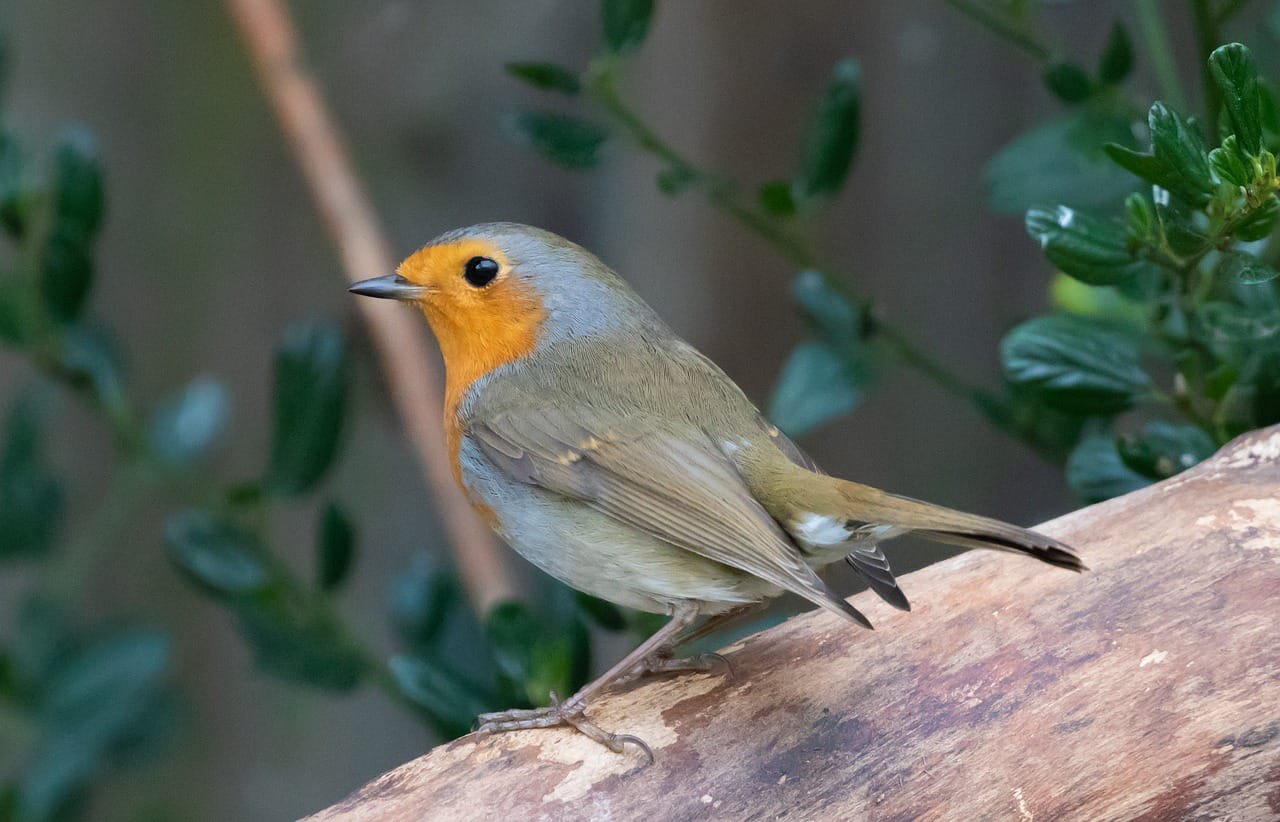
It was humbling. My first robin looked like a potato with a twig in it. My first blackbird was a black potato. But by the third week, the potatoes had tails at the right angle, and I could tell a dunnock from a sparrow, which I had never been able to do in forty-three years.

Drawing is not a talent. It is a way of looking that leaves marks on paper.
What the birds taught me
Birds are a lesson in patience and in the seasons. In spring they are loud and busy and easy to find. In late summer they go quiet and hide while they moult, and the notebook goes quiet too. By autumn the flocks arrive, and I am learning a whole new set of shapes: finches in the hedges, thrushes in the fields, geese overhead.
Learning something with your hands is different from learning it from a book. I can read the description of a wren a hundred times. But after drawing one, tail up, round as a nut, I will never mistake it again.
Learning badly, again
This is my second big project as a beginner, after Spanish, and the lesson is the same. The beginner's mistakes are where the learning is. My notebook is full of terrible drawings, and every one of them taught me something a good drawing would not have.