The seventy-two small seasons
My grandmother's old calendar of five-day seasons, and a local version for an English valley.

When I was a child, my grandmother had a calendar on the kitchen wall that divided the year into seventy-two seasons, each about five days long. They had names like "east wind melts the ice", "frogs start singing" and "first rice ripens". I thought it was a strange old thing. Now I am trying to live by it.
Where it comes from
The old Japanese calendar divides the year into twenty-four larger seasons, and each of those into three smaller ones. ((The names were written for a landscape of rice fields and mountain villages. Some of them do not fit an English valley at all, which is half the fun.)) Each small season is named after something you might notice in those five days: a bird, a plant, a change in the weather.
The names are not instructions. They are invitations to look.
Reading the old names
Some of my favourites, roughly in order through the year:
- East wind melts the ice — early February.
- Hibernating insects open their doors — early March.
- Swallows return — early April.
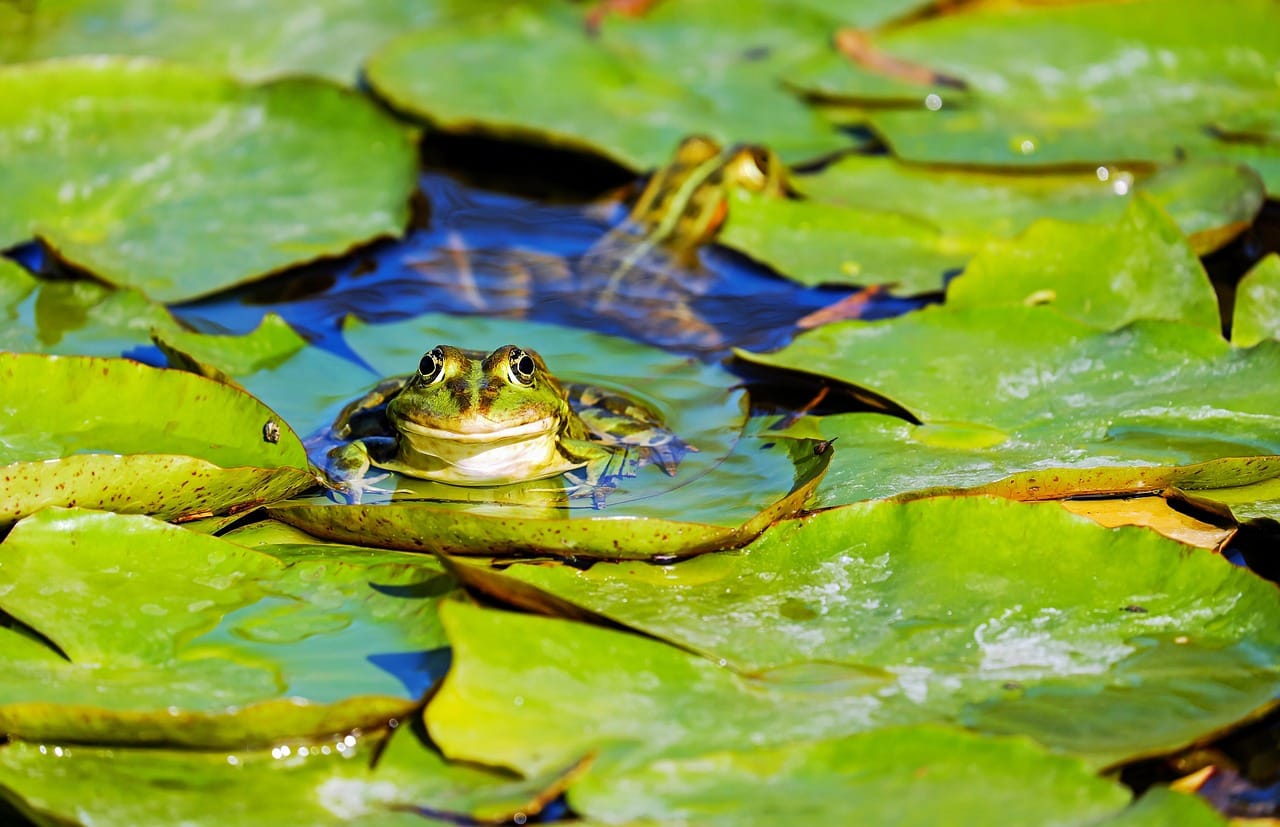
- Frogs start singing — early May.
- Rotten grass becomes fireflies — early June.
- Thick fog rises — late August.
- Maple leaves turn yellow — early November.
- Bears start their winter sleep — mid-December.
There are no bears in the Peak District. I have decided that, here, this season belongs to the hedgehog.
Making a local version
So I am writing my own seventy-two. Each five days, I look for the thing that best names that moment on my walk, and I write it in a notebook beside the old name. Some match well. "Swallows return" is almost exactly right here. Others I have had to change: "rice ripens" has become "barley is cut in the top field".
Five days is about the length of time you can notice something before it becomes ordinary.
Why five days
A month is too long to notice; it blurs. A day is too short; you miss it. Five days is the right size for attention. It asks you to look again before you have forgotten what you saw last time, and it makes the year feel full of small doors, each one opening on to something slightly different.
Still a seedling
This post is a seedling because the project is only five months old. I have names for about thirty of my seventy-two so far. Some will change next year. A few, I suspect, will stay empty until I learn to see what happens in that corner of the year. My grandmother would say that is exactly how a calendar should be: never finished, only kept.